
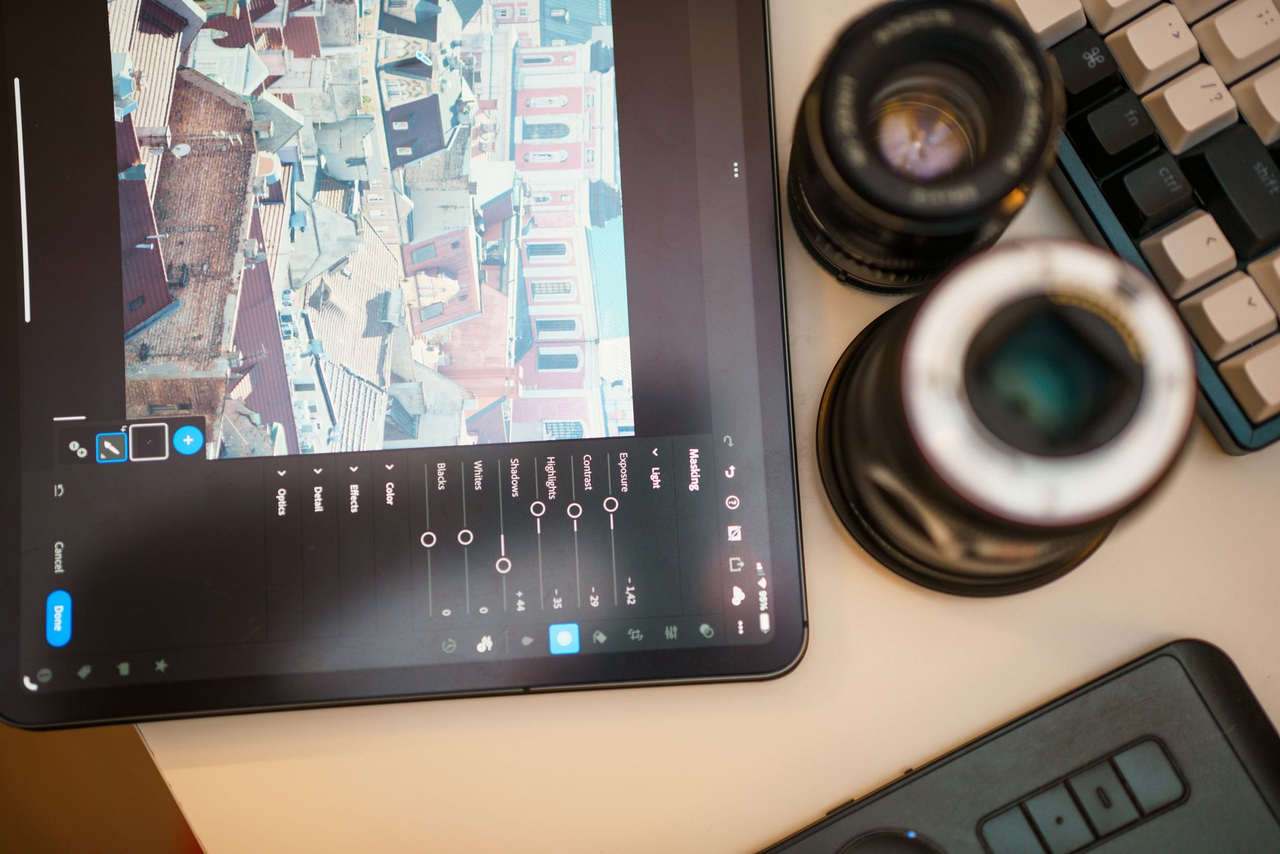
Video production is no longer limited to professional studios with expensive equipment and dedicated editing teams. Today, creators, marketers, educators, and small businesses can produce polished videos with relatively accessible tools. At the same time, audiences expect faster pacing, clear storytelling, strong visuals, and content optimized for multiple platforms.
This shift has created a new challenge: editing quality still matters, but the time available for production is shrinking. Reviewing hours of footage, selecting useful moments, writing captions, and preparing different versions can consume more time than recording the original material.
Artificial intelligence is beginning to address these bottlenecks. Rather than removing the creative process, modern AI-assisted workflows can help organize footage, prepare rough cuts, and reduce repetitive production work while leaving important creative decisions with the editor.
From Manual Editing to AI-Assisted Workflows
Traditional editing often begins with a blank timeline. An editor must review footage, identify useful clips, arrange scenes, adjust timing, and gradually build a coherent story. For larger projects, simply organizing source material can take considerable time.
AI-assisted editing introduces another starting point. Creators can describe the intended result in natural language and provide the footage they want to use. The system can then help identify relevant moments, organize clips, and prepare an initial structure that can be reviewed and changed.
A ChatGPT video editor workflow connected with CapCut × Codex illustrates this approach. The workflow can use uploaded footage and natural-language instructions to help create an editable rough cut, allowing creators to spend less time on repetitive setup and more time refining the story.
The important distinction is that an AI-generated first cut does not have to be the final product. It can simply provide a practical foundation for the next stage of editing.
Why Natural-Language Editing Matters
One of the most significant changes in AI-powered video production is the ability to communicate creative instructions conversationally. Instead of navigating every editing function individually, creators can describe what they want to achieve.
For example, a creator might specify that a short video should focus on the strongest interview moments, maintain a quick pace, and fit a particular social format. Clear instructions can help an AI-assisted workflow understand the intended structure before the creator begins detailed editing.
This can be particularly useful for people who understand storytelling but are less familiar with complex editing software. It can also help experienced editors reduce repetitive preparation work.
However, natural-language instructions should be treated as a starting point rather than a substitute for creative judgment. Good editing still depends on context, audience expectations, pacing, emotional timing, and an understanding of what information deserves attention.
Turning Raw Footage Into a Usable First Cut
Large amounts of footage can create a major productivity problem. A single recording session may contain repeated takes, pauses, mistakes, unused sections, and several versions of the same scene. Finding the best material manually can be tedious.
AI can help by analyzing uploaded clips and identifying sections that may be useful for the intended edit. A rough cut can then organize selected footage into a sequence that the creator can inspect and modify.
This approach changes the editor’s role. Instead of spending the earliest part of the project simply searching through files, the creator can begin with a working structure and concentrate on whether the story makes sense.
The resulting timeline should still be reviewed carefully. AI may select technically relevant footage that lacks the right emotional context, or it may miss a subtle moment that an experienced editor recognizes immediately. Human review remains essential for maintaining quality and authenticity.
Adapting One Video for Multiple Platforms
Modern creators rarely produce content for only one destination. A single project might need a long-form YouTube version, a vertical short, social media clips, promotional excerpts, or different caption and language versions.
Preparing these variations manually can create substantial repetitive work. AI-assisted editing can help organize assets, captions, timing, and formats so creators have a more efficient starting point for each version.
This is especially valuable for businesses and content teams that publish frequently. Instead of rebuilding every variation from scratch, they can establish a consistent workflow and then make platform-specific adjustments.
CapCut’s broader editing environment supports this approach with tools for captions, templates, visual effects, background removal, enhancement, and other production tasks. These capabilities allow creators to move from an initial AI-assisted structure toward a more controlled final edit.
The Human Editor Still Matters
The growth of AI video editing does not make creative judgment less important. In many ways, it makes editorial judgment more valuable because creators have more opportunities to generate and revise content quickly.
An AI system can help organize footage, suggest structures, and reduce repetitive tasks, but it does not automatically understand every audience, brand, cultural nuance, or storytelling objective. The person behind the project must decide whether a scene belongs, whether a transition feels appropriate, and whether the final video communicates its intended message.
The strongest workflow is therefore collaborative. AI handles time-consuming preparation while the creator remains responsible for direction, accuracy, tone, pacing, and final approval.
This balance also makes experimentation easier. When the initial production steps take less time, creators can test different openings, structures, lengths, and formats without dramatically increasing their workload.
Conclusion
AI is changing video editing by moving some of the most repetitive production tasks away from manual workflows. Organizing footage, identifying useful moments, preparing rough cuts, generating captions, and adapting content for different formats can all become more efficient when intelligent tools are integrated into the editing process.
The goal, however, should not be to remove the human editor from the workflow. The most useful AI systems provide a strong starting point while keeping the timeline, creative direction, and final decisions under human control.
As video continues to become one of the primary ways organizations communicate online, efficient editing will become increasingly important. Creators who learn how to combine natural-language AI assistance with thoughtful human editing can produce more content without sacrificing clarity, originality, or quality. The future of video production is therefore less about replacing editors and more about giving them better tools to turn ideas and raw footage into compelling stories.