
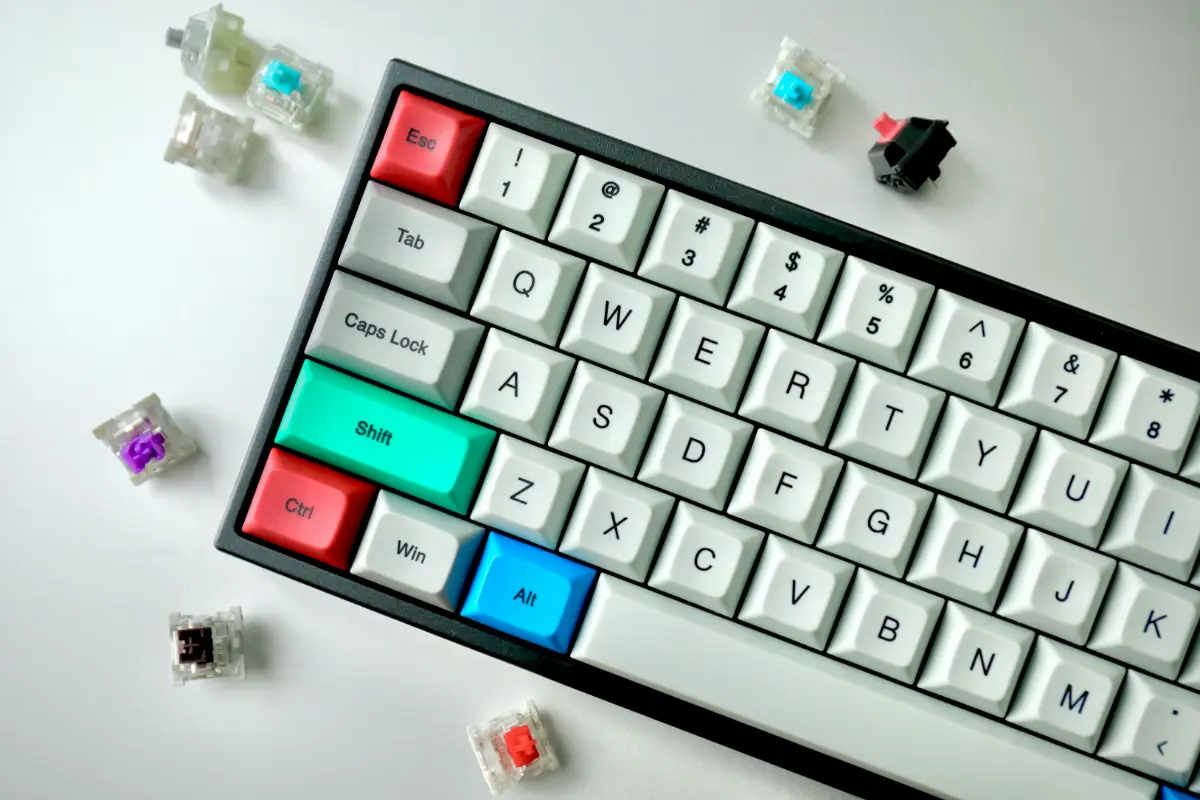
There are several good gaming keyboards out there in the market. The huge variety makes it difficult for buyers searching for a reliable one. Some keyboards are big in size, and some are very small; some are very expensive, and others are cheap and may not last long or perform well in fast games. If you are the one looking to buy a keyboard, you have landed on the right page. The ATK 68 V3 eSports Hall Effect keyboard review is all about real talk.
This post gives you a clear view of the ATK eSports 68 V3. It talks about how it performs in real life and its features like Rapid Trigger, Magnetic Hall Effect switches, 8000Hz polling rate, and the ATK Hub software. The compact 65% layout and full CNC aluminum case make it one of the best and favorite gaming keyboards for fast gamers in demanding competition.
What Is the ATK 68 V3?
Within rows of small keyboards, the ATK 68 V3 stands tall as part of the 68 collection. Each key works thanks to the Hall effect magic, a calling card of this family. A number pad points toward a nearly complete layout, just missing the number section and topmost row. Navigation arrows survive, while others simply fade. Every inch matters. Room for the mouse feels generous, and first-person shooter fans could celebrate.
V3 seems to rise as the champion among siblings. ATK signals toward the thickest shell and most built-in extras in the whole 68 lineup. The earlier generation and close cousins probably stay lighter and aim lower. V3 likely calls to those who refuse second-best in the 68 universe.
Build and Design
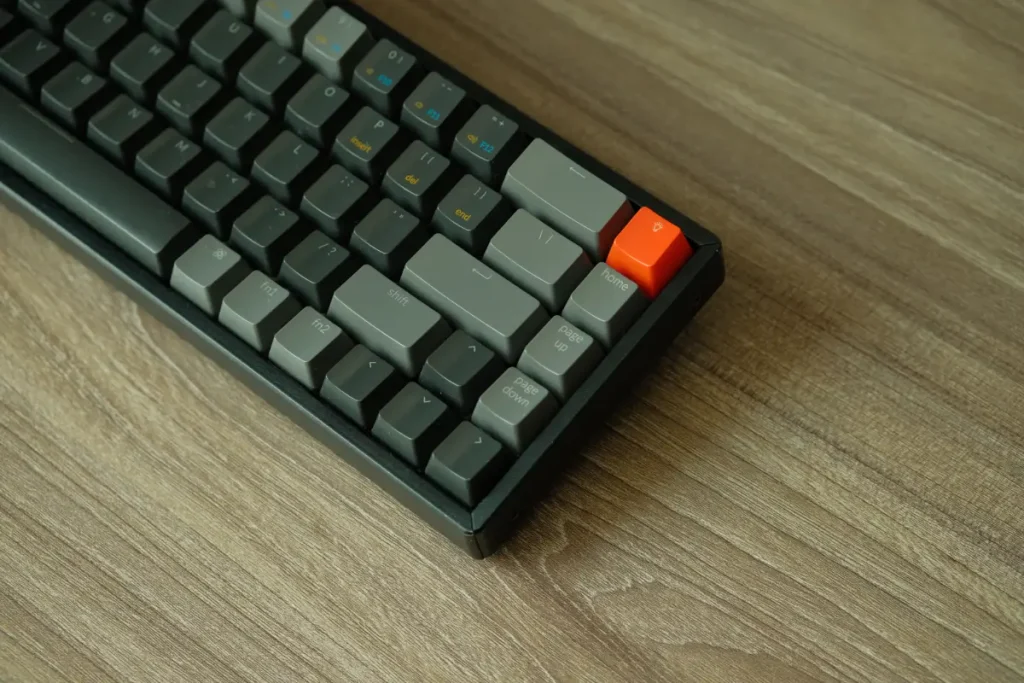
A person’s trust in a keyboard might shift with the very first touch. The wave of solid metal forms the ATK 68 V3. Heavy aluminum armor, sculpted by careful machines, might convince even the most doubtful users of its strength. Many seek that chill, weighty feeling which only pure aluminum might provide. The case probably becomes a cold fortress, holding every key like precious treasure.
- Compact 65% Wonder: A smaller shape greets the eyes. Sixty-eight keys line up, each one ready for action. Arrow buttons still wait at the edge, pleasing people who move with speed in games or dart around documents in daily work.
- All-Aluminum Body: A single shell, carved right from a solid piece, locks out all doubts. Metal surrounds every part. ATK claims this aluminum shield delivers power and presence with every touch. Fingers land, ice-cold metal remains. Few things offer this sense of resilience.
- Tray-Mounted Construction: Direct screws punch through the plate into the case. Bond appears simple but strong. The whole tray comes together as a tight package, pressed close for stunning stiffness. Many prize such a connection for giving a typing experience that feels both crisp and unbreakable.
- Metal Position Plate: Under every switch, a slab of aluminum waits. This layer might add even more punch to each finger tap. ATK describes the metal base as a foundation for the whole typing feel. Every movement sits grounded, anchored by the presence of aluminum.
- Keycap Selections: Choices fill the tabletop. Keycaps sometimes arrive in soft PBT, sometimes in glassy PC. One set glows with sharp side markings, another sparkles with a see-through shine. Every style may suit a different fan, and the variety probably answers most wishes.
Mixing a metal tray and position plate probably births a keyboard as steady as a pillar. Some search for that unmistakable metallic snap. Others, who watch their wallets carefully, might gaze at the RS6 designs in our ATK RS6 review. The shiniest, flashiest pieces usually appear in the V3 family. Only the most ambitious seem to reach for those treasures at the very top.
Switches and Response
Hall effect technology may surprise with lightning-fast reactions. Switches jump at a brush. Each tap can register with the speed of thought itself.
Fingers might barely lift, and already the keys leap into action. Rapid trigger technology almost seems to sense your next move before your brain catches up. No need to stop at one set spot. ATK often reports results that probably leave most rivals behind. Just a few details shape the whole story.
- Trigger travel can swing from razor-thin, almost invisible, up to a long, deep push.
- Step shifts make the tiniest difference. Adjustments probably come smaller than a strand of hair. Some even go to the border of what the eye can see.
- Polling might run so quickly that your computer feels watched all the time.
- Latency, by ATK’s own words, nearly disappears.
- Keys might scan in two breakneck modes. One zips along, one pushes almost to the limit of speed.
Lovers of competitive games often find pure adrenaline in setups like this. Endless taps, instant returns, and tight controls rise out of these numbers. Every bounce, every press, may land another shot or launch a jump, even when the heat spikes in those close matches. Short delays likely vanish, letting only your skill and reflexes shine.
Software and Customization
ATK HUB could be the brain behind every change you make. When you open the official ATK window, the world of control sits waiting. Sliders might change how far each press needs to go before the key wakes up. Range for rapid responses might move at your touch.
Key jobs may swap with a click. Some can flip between scan speeds or reading options. Light settings land here too. ATK only shows what passes their test, so advanced fans may want to hunt for deeper secrets. ATK HUB probably guards many hidden sensor options, waiting for bold explorers.
What Owners Say
Real stories from users often offer the best truth, but the ATK community still looks young. Only a few reviews show up on the main shop page, where almost all give the 68 V3 their highest mark. Loud, happy praise usually means gamers feel satisfied and sure they chose well. Words on a brand website always sound bright. Smiles paint every sentence. Fewer voices join in, compared to the huge flood found on giant shopping zones.
People on forums must piece the puzzle together. Clues from users suggest many enjoy the looks and the pace. No lab results peek out from hiding places online. Most news rests on what ATK itself claims and a handful of personal stories from fans. Glowing remarks might boost hope, but nobody can promise pure greatness. Only a bigger, neutral crowd could probably reveal the final answer.
ATK 68 V3 vs V2 vs RX
Place V3 beside the rest, and the difference jumps out. Extra money might mean new thrills. Every keyboard here taps the same magnetic trick and matches the clear 68-key pattern. Differences may pop up in how soft they feel, how they react, and what sits inside, hidden from view.
- Stats from the creators probably show a bold scene. Seekers of precision might freeze in surprise, since V3 and RX claim to spot the tiniest touch, down to about one thousandth of a millimeter. Triggers on these two travel between faint shifts and a few millimeters. V2 could lag a step, hitting about two hundredths of a millimeter for its best reading and the usual play found in this group.
- Reaction time? V3 and RX might take the speed crown here, with a blink that measures at a little more than zero. V2 may come next, nearly as quick, but only the pickiest fingers could sense any drag.
- Each model in the set almost sprints at 8000Hz for sending out news, so no team really wins here. Numbers sit side by side for all three.
- Case material stands up last. V3 wraps its secrets in a single slab of metal, shaped by machines. RX steps lighter, with a shell that blends hard plastic and touches of aluminum. That soft surface might feel wonderful together with the removable metal rest for your wrist. Anyone fed up with wrist aches may find this detail very tempting.
V3 likely suits those who enjoy the chill and strength of a heavy metal frame. Many enthusiasts may want the lead when it comes to tracking or sensor details. RX could turn into the go-to for people hunting for more wrist relief mixed with a lower tag. V2 may stand out to budget thinkers who crave solid features but prefer to save some coins.
How ATK’s Lineup Measures Up Against Other Brands
Nowadays, keyboards in the mid-range with magnets fill up stores like a busy fair. Top rivals usually come from seasoned experts. Shoppers sizing up these devices may focus only on cords, plus how rapidly signals reach the computer. A few challengers likely offer louder numbers for speed, and our MCHOSE Ace 68 GT review covers a board with polling of up to 16KHz on Windows.
V3 tries to charm by showing off full metal power. Keyboard lovers might weigh feel in the hand against pure sprinting performance as the biggest factor. Both choices may pull in loyal fans. Real-world work may pick the champion in the end, depending on whether you crave a metal mass or the wild fastest option.
Pitfalls Buyers Should Keep in Mind
Every keyboard carries at least one hiccup or nagging issue. V3 mixes highlights with a few misses. Reviewers often point out the always-present chunky cable, so shoppers who want a cable-free moment probably need to peek at the product page for signs of wireless magic. Freedom from wires may matter a lot.
A slice of people hunger for the tough hold of a tray. Dreamers may prefer a plush, floaty rebound. Top-tier price tags may jolt the wallet. Not many people have heard the ATK name yet, so outside advice remains rare. The company only shares a small bundle of owner tales. None of these shadows block a smart choice for buyers ready for something bold.
Who May Enjoy It, and Who Might Walk Away
Some people might see the ATK 68 V3 as almost perfect. These small hints suggest the kind of user who could love this device, and who might leave disappointed.
- High-level game players: Wide, quick response and nearly instant feedback, as ATK claims, might spell magic for players hungry for speed.
- People with tight workspaces: Smaller shape could open plenty of room for sweeping mouse moves.
- Fans of solid builds: One strong, all-metal body weighs in with a real punch.
- Cordless fans: No obvious support for wireless, so the maker’s official details need a close look before making any choice.
A person who loves speed and a tough frame could probably call the V3 their favorite. Somebody who must have no wires will probably want to check every part. Matching daily habits with your typing tool may turn the higher price into a possible bargain.
ATK 68 V3 Specs at a Glance
Here is a quick look at the main specs of the ATK 68 V3. Use it as a quick reference while you read this review.
| Feature | Spec | What It Means for You |
|---|---|---|
| Layout | 65% ANSI, 68 keys | It keeps the arrow keys but drops the number pad and the function row. |
| Case | Full CNC-machined aluminum | A metal shell usually feels heavier and stiffer than plastic. |
| Structure | Tray mount with an aluminum plate | The plate screws into the case, which usually gives a firmer typing feel. |
| Keycaps | Cherry-profile PBT (side-printed) or PC (transparent) | You can choose the look that suits your desk. |
| Rapid trigger range | 0.005mm to 3.3mm | You can set a hair trigger or a deep press. |
| Step precision | 0.001mm | You can make very small changes to the actuation point. |
| Polling rate | 8000Hz | The board reports to your computer 8000 times per second. |
| Latency | 0.08ms (ATK’s figure) | Real-world delay also depends on your monitor and game. |
| Scan rate | N-Key 32KHz or Extreme 256KHz | Two modes set how often the keys are read. |
| Software | ATK HUB | This is the control software for the board’s settings. |
| Connection | Wired | The sources reviewed list no wireless mode, so confirm before buying. |
The Dramatic Wrap
Some voices might say the ATK 68 V3 follows a bold dream. Here sits a tool that refuses to blend in. Strong keys stand in a tough shell. ATK claims a wild, almost electric feeling with each press. Only a handful of hands sent feedback, but most sound pleased. Most reviews come from a tight circle of shops. Many other gadgets may shout about larger stats. Not many bring the real, heavy metal coat that the ATK 68 V3 probably offers. Speed seekers might sense a thrill in this set of features.
People should probably think hard about the fee before making up their minds. One slim cable connects this keyboard to your world. Those who want no strings attached may feel uneasy here.
Magnetic switch technology might turn keyboard design upside down. Under each button, a clever Hall effect sensor often waits for action. A faint Hall voltage sometimes shows up when magnets meet the electrical charge. Nothing needs to touch, so keys float and fly. The sensor usually feels distance, not simple contact. No metal or plastic grind against each other. The V3 keyboard probably brings a sharp, fast reaction that other everyday keyboards rarely offer. Under the surface, Hall voltage hides as the true master of control.
Last checked: October 2026
By the DejaFlow editorial team. We write about keyboards, Outlook and everyday productivity tools for people who want plain answers.
We reviewed ATK’s official pages and named sellers. We did not test the keyboard.

Haroon writes about productivity and sync tools. He covers how to connect Outlook and Google so your calendar, contacts, and tasks stay in one place.