
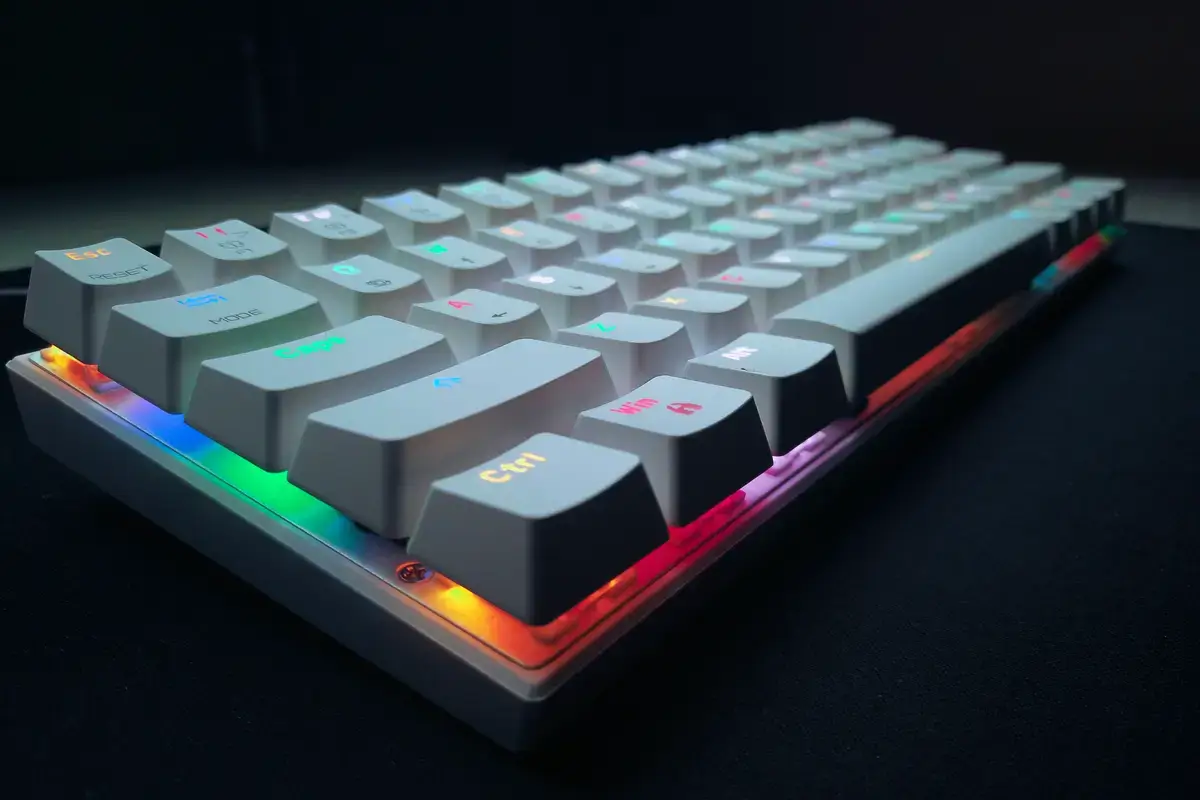
There are a number of Hall Effect keyboards that have flooded the market. All of them claim that they are the best. But a few of them enable a perfect gaming experience, quality typing sound, and switches that feel premium. In this MCHOSE Ace 68 GT review, you will learn about whether it is worth the price, what the features are, and if the claims are real or fake.
The keyboard companies are commonly known to make bold claims, but when they are tired, they do not come up to their promises. The scenario is different here in the case of the Ace 68 GT version. This version stands at the top of the MCHOSE lineup. The heavy aluminum frame gives it a premium look on your table, a 16KHz polling rate, and 0.001 mm rapid trigger precision, making it one of the best Hall Effect keyboards out there in the market.
What Makes the Ace 68 GT Different From Other MCHOSE Keyboards?
MCHOSE delivers a large family of Ace 68 keyboards. Many models exist for every wallet. Choices span from the basic version to the updated V2, the lightweight Air, and a Turbo made for those who crave quick moves. Among them, the GT arrives as the hero. Enthusiasts who want maximum speed from a Hall Effect design and a luxury feel often look straight at the GT. Bargain hunters may stick with the others. People searching for something beyond price might find themselves drawn to the GT. A trio of features makes the GT tower above its siblings.
- Full CNC-Machined Aluminum Case: Cold, full-aluminum wraps around the Ace 68 GT. The rest of the collection mainly uses plastic or only hints of metal, while the GT feels sturdy and heavy the moment you lift it. Many desks sense the extra weight straight away. A thick metal body could give players an edge in confidence when the games get intense.
- 16KHz Polling Rate With Mount Tai Pink GT Switches: Inside, speed rules. The Ace 68 GT flies with a rapid 16KHz polling rate. Mount Tai Pink GT switches teams up with a custom Tianwen processor. No other Ace 68 version in the lineup can match this pace. Reaction drops to almost lightning. Competitive folks might notice gameplay and typing become a blur.
- Six-Layer Internal Dampening Stack: Six soft layers cushion the force below. Padding materials such as puffy cotton and PET pads blend with bottom cushions. MCHOSE engineers probably spent extra effort to block annoying sounds. Aluminum boards often ring sharply. Rather than keeping that sharpness, the GT may swap it for a full, deep sound that pleases the ear.
Those three qualities likely put the GT into a class of its own, and for buyers who have spent time with budget Hall Effect keyboards, the jump in build quality and acoustic engineering here will feel immediately and noticeably different. Some may feel the GT brings a real shift, not simply a minor upgrade. Expect the next parts to probably test whether these special features really affect daily use, either for typing or playing games. For fans who already know cost-friendly Hall Effect models, the GT strongly suggests something new. The changed build and better sound probably deserve the higher price.
Build Quality and Physical Design
A single touch can reveal the truth: this keyboard may sit among the heaviest small-format keyboards known to the internet crowd. All credit probably goes to the case, shaped by CNC machines from thick aluminum alloy. Weight feels real in the hand. Some keyboards barely shift, but this one stays planted thanks to four rubber feet placed on the bottom. Hardcore gaming fans often love this type of stability. The aluminum shell brings solidness you might not expect from something on your desk.
No plain black or silver here: this collection of color choices might please many tastes. Black Gold with an anodized look, Aero Silver, Cyber Violet, or Champagne, each with its own surface texture. Measurements fit the 65 percent world. The keys fill a space measuring about thirty centimeters wide by thirteen centimeters deep. At less than four centimeters tall, most hands find it comfortable. The button set keeps the arrow keys and a few extra function buttons in easy reach. The classic F-row and number pad are gone, which gives more space for a mouse or a cup.
Inside, the maker probably spent as much focus as outside. A carbon fiber slice rests right between the circuit board and the buttons. This layer might give the keyboard a feel and sound that stands apart. Sound is a major draw for fans of mechanical boards. Six stacked dampening layers work together. Cotton pads, sandwich foam, PET sheets, and more: each layer tries to stop echo and extra noise. Many online experts have listened and reported that the sound is pleasing. Instead of the hollow ping some aluminum builds create, this keyboard produces a gentle, controlled tone known in the hobby as thock.
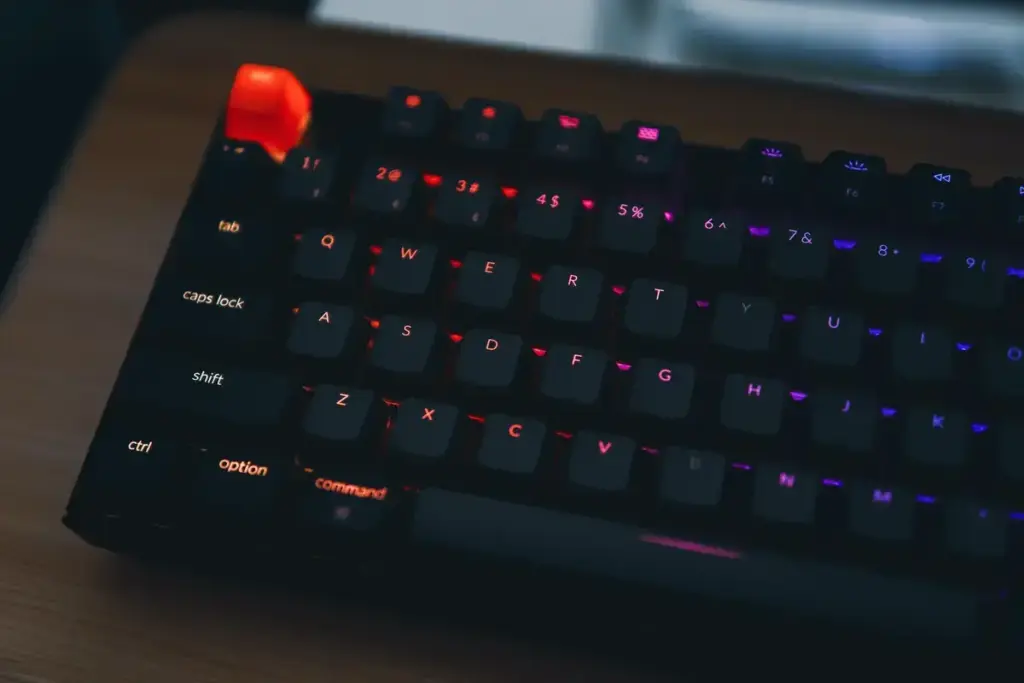
Keycaps come in classic Cherry shapes. Material choice falls to extra-tough PBT. Light passes through or glows around the edges, based on the color group picked by the buyer. Bright ARGB lights shine from behind, making the whole board glow evenly with color. Some people might call it a light show for the desk. Many fans simply call it perfect.
Switch Performance and Gaming Features
Pink Mount Tai switches from MCHOSE might just turn heads. Built for this keyboard, these magic pieces use a closed design that keeps dust away. Each switch holds a next-level Hall Effect sensor. Some might say the detection gets so fine, hairspray could not escape: 0.001mm precision. Anyone can tweak the actuation distance, from almost a whisper at 0.1mm up to a dramatic 3.4mm. Inside the MCHOSE HUB, a user may unlock Berserk Mode 2.0 for wild Rapid Trigger sensitivity, letting fingers fly at nearly the speed of thought.
Dead zones probably worry some people. With these switches, those problems might fade into the background. Shaky keys rarely need attention. Those who love to tinker may want to try other magnet options. Many fans gravitate toward picks like TTC KO1s or Gateron Jade Pros. Experimentation feels easy, thanks to the magnet-friendly design. Stabilizers arrive pre-lubed. That may sound ordinary, but rivals in this class still skip that finishing touch.
Many hunt for a keyboard that takes competition seriously. This one might set the standard. Features like SOCD, those quick taps in every direction at once, come included. Rapid Trigger settings are split up for pressing or letting go, unlike most. DKS, MT, TGL: gamers know those terms. Macros find a home as well.
A dual-core brain, the Tianwen 512MHz chip, sits at the center. Scan rates blast through at 256K. Running at 16KHz, this mechanical keyboard promises a smooth ride for gamers on Windows.
Differentiation feels noticeable. Some may want WASD on a hair trigger, but crave calm for other keys. In most keyboards in this range, profiles cannot be split like this. FPS lovers may find a new favorite here. Real-world latency probably comes close to 1.5ms. Headline figures reach lower, but real life keeps things honest. For many, that number will stay more than fast enough to keep up with Hall Effect giants.
Software: MCHOSE HUB
MCHOSE HUB surprises with a rare kind of freedom. Users may pick between a simple web driver or a desktop version, with no fighting with long installs and no getting locked into one way. This mixture probably makes tech fans feel like they control their own fate. Most rivals never offer choices like this. Opening inside browsers, the web driver links to the keyboard right away. Every important option sits in one place: actuation tweak, Rapid Trigger settings, SOCD tweaks, custom macros, and even rainbow lighting. All changes stick around inside the keyboard itself. When not needed, the program disappears, but favorite settings remain alive in the device.
- Actuation Point Adjustment: Actuation lets people get precise. Every key might shift between a hairline touch and a deep press, ranging from less than half a millimeter up to just over three millimeters. Some experts warn about setting keys far too shallow. Most stop below a sleepy dead zone, maybe a tiny sliver above zero. Few want keys firing from a wisp of air.
- Rapid Trigger Profiles: Rapid Trigger flashes with possibility. Press and release become separate things, and adjusting each setting opens real options. Fans of movement might give WASD a unique feel. Other keys on the board could respond in a different way. Profiles shape the adventure for each play style.
- Interface Quality: Outside voices often praise the look and feel of MCHOSE HUB. Nearly every tech reviewer might say actuation tuning feels easy to use, simple and clean. A few even put MCHOSE HUB on the same level as the polished software from industry giants. That kind of flattery rarely flies around.
Software often makes or breaks Hall Effect keyboards in this cost tier. In many cases, clunky programs drag down hardware that should shine. MCHOSE HUB sidesteps classic problems. The online driver method sidesteps old headaches caused by stubborn drivers and system updates. Set up flows with fewer bumps. Users might call it smoother than expected. Frustration stays low. MCHOSE HUB rarely slips out of step, marking a clear win over other brands with questionable programs.
Limitations Worth Knowing Before Buying
Some people might immediately sense the GT is not for everyone. The heavy metal keyboard offers a kind of power that few products provide, but not all users will smile at such weight. Competitive gamers may feel drawn to the tough, planted feeling. Every day, desk workers might just find themselves annoyed. The team behind GT probably designed the keyboard with a very specific group in mind. Being aware before buying will probably help you avoid regret.

- Wired Only: No Bluetooth or wireless surprise hides in the GT. Only a simple, wired connection sits at the heart of this product. Shoppers searching for a compact, modern board to suit travel or to keep a desk clean will probably not find much joy here. Cable-free life fans might want to pause and look somewhere else.
- Heavy at 1,440g: A single block of shiny aluminum gives the GT its heavy presence. Most smaller boards never press down on a desk like this. Unmoving and solid, the GT likely never budges once placed. Backpack users and mobile workers who need to pick up and dash may want to pass. On most desks, GT stays rooted like a mountain stone. Only the boldest will try to carry it around.
- 16KHz Requires USB 3.0: Plugging the GT into a USB 2.0 hub can probably hold back the promised polling rate. To enjoy the high 16KHz speed, USB 3.0 seems absolutely necessary. Many people use computers with older ports. Those users may never see the GT work at its fastest setting.
- Mac Limited to 8KHz: Apple fans may need to lower their hopes. On Mac, 8KHz marks the ceiling for polling speeds. Owners of the Ace 68 GT who use Apple hardware will likely miss out on the highest numbers. Anyone needing every ounce of performance may not find satisfaction here.
- Switch Options Limited: Only Mount Tai Pink GT switches have official support right now. For those wishing for a bigger switch menu, waiting might be the only answer. No clear signs yet point to other choices for this board. Switch fans who hunger for excitement may feel tempted to hold back for new updates or to search for fresh alternatives.
People who play on Windows and seek powerful design and smooth action could call the GT ideal. Serious FPS fans might sense the changes. Folks who rely on wireless, move station to station, or use Mac systems may feel let down. At times, the best gear only fits one certain type of job. The GT could be just the tool for players who want only wired sessions at full power.
Is the MCHOSE Ace 68 GT Worth the Price?
Weighing the true value of the MCHOSE Ace 68 GT requires more than just looking at numbers on a page. Overshadowing the basics, the Ace 68 GT enters the arena alongside the Wooting 60HE and a handful from big-name groups. Most rivals at this level come with full metal builds and Hall Effect magic, often with even steeper price tags. Folks upgrading from cheaper Hall Effect keyboards might notice a dramatic leap in touch and sound. The GT competes most directly with boards like the Wooting 60HE in the compact Hall Effect space. Buyers who want a different form factor altogether, such as a Hall Effect split keyboard, may want to explore options like the ASUS ROG Falcata, which takes an entirely different ergonomic approach to the same magnetic switch technology. Here, Ace 68 GT probably feels and sounds far above those familiar plastic gadgets.
- For Competitive FPS Gamers on Windows: Sharp-eyed competitive FPS players on Windows may find themselves drawn in. A fast 16KHz polling rate could change the feel of every match. Subtle 0.001mm Rapid Trigger accuracy, SOCD tricks, and a metal shell shape the Ace 68 GT into what might be a secret weapon, hiding just below the price of Western favorites.
- For Keyboard Enthusiasts Who Type Daily: Daily keyboard fans could easily fall for this one. Fingers tapping on carbon fiber, ears catching that rich and “thocky” sound, and layer upon layer of dampening, these features do more than just justify a higher spend over plastic-bodied key sets. The Ace 68 GT likely earns a place on serious desks for those who want something above the ordinary.
- For Casual Gamers or Mixed-Use Buyers: Casual players or folks mixing work and play may not need so much keyboard. Less expensive Ace 68 choices probably offer nearly the same punch for less cash. For many, that step up to the GT might seem extra rather than essential.
- For Mac Users or Wireless-First Buyers: Mac users or buyers who live for wireless might turn away. Windows-only 16KHz specs and a cable requirement stand as real roadblocks here.
The MCHOSE Ace 68 GT probably stands tall as a premium Hall Effect keyboard. Stellar build, sound that resonates, and fast fingers matched with sturdy metal might turn heads. Not every person will crave such a keyboard. But those wired Windows gamers who want both strength and speed in one machine probably will say, yes, this investment actually makes sense. A strong body made only from aluminum might catch your attention first. Polling rates that can reach lightning-fast speeds probably help action look smooth. Experts say the software experience might lead to the Hall Effect group. Competing against luxury gadgets, this flagship probably holds its own.
MCHOSE Ace 68 GT Review at a Glance
The MCHOSE Ace 68 GT packs a remarkable set of specifications into a compact 65 percent layout, making it one of the more capable Hall Effect keyboards available at its price point. The table below gives a quick overview of the most important details before diving deeper into any specific section.
Conclusion
Eyebrows probably raise in surprise whenever the MCHOSE Ace 68 GT enters the spotlight. Designers seem to have examined every little detail with obsessive care. Fingers of serious game champions may tingle with excitement thanks to Hall Effect technology beneath each key, a magnetic sensing principle that varies its output in response to changes in a magnetic field and has found its way into precision applications far beyond the keyboard world. Sparks of incredible speed frequently leap out during fast-paced action. The presence of brushed metal often hints at a level of quality seen only at the very top. Decisions like that speak of luxury, quietly but firmly. Some might say the included software works smoothly out of the box. Only a few other keyboards offer such direct control.
No one promises absolute perfection. Tiny limits may peek out here and there, though only selective people could care. A large share of users probably dismisses such small issues. People who prefer this style may feel deeply satisfied, with almost no doubts. Those high-ticket gadgets from big brands sometimes deliver less than their lofty prices suggest.
True veterans of the gaming world likely crave even deeper information. Visitors may stumble upon hidden gems throughout this site. Readers are encouraged to explore keyboard reviews and gaming accessory reviews. Some fresh surprises might be waiting just a click away.

Haroon writes about productivity and sync tools. He covers how to connect Outlook and Google so your calendar, contacts, and tasks stay in one place.