
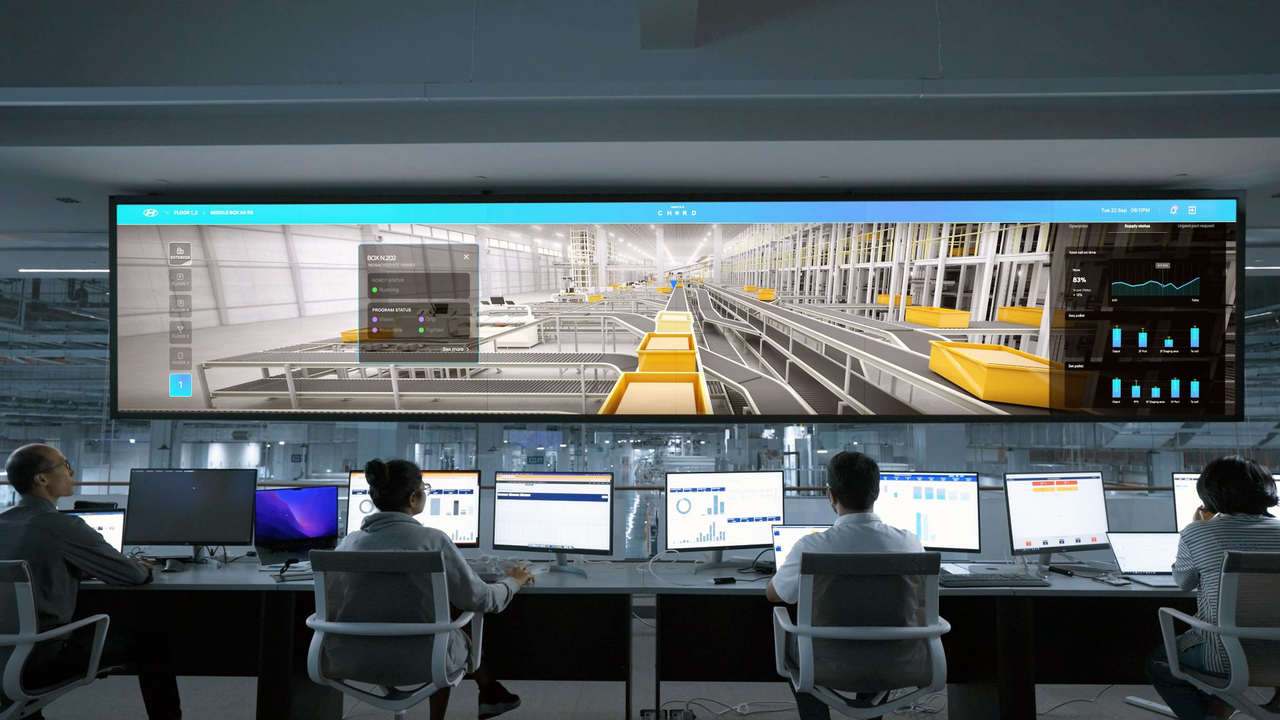
Manufacturing businesses rarely stay the same for long. Customer demand changes, product lines expand, production facilities grow, and new technologies emerge every year. As operations become more complex, manufacturers need systems that can evolve alongside the business rather than limit future growth.
One of the most effective ways to support long-term expansion is by implementing scalable manufacturing software that can accommodate increasing production volumes, additional facilities, new equipment, and evolving operational requirements without requiring a complete system replacement.
Flexible digital infrastructure allows manufacturers to respond quickly to changing market conditions while maintaining operational consistency.
Why Growth Creates Operational Complexity?
Business growth is positive, but it often introduces new challenges.
As manufacturers expand, they typically face:
- Larger production volumes
- More employees
- Multiple facilities
- Additional suppliers
- Greater inventory requirements
- Increased regulatory compliance
- More customer orders
- Expanded product portfolios
Without adaptable systems, operational complexity grows faster than efficiency.
The Role of Flexible Manufacturing Technology
Technology should support growth rather than create limitations.
Flexible manufacturing systems allow businesses to introduce new production lines, integrate additional equipment, and support changing workflows without disrupting existing operations.
Instead of replacing entire software platforms, manufacturers can extend capabilities as business requirements evolve.
Standardizing Operations Across Multiple Facilities
Many growing manufacturers operate several production sites.
Maintaining consistent processes across locations is essential for product quality and operational efficiency.
Digital systems help standardize:
1. Production Procedures
Employees follow consistent workflows regardless of location.
2. Quality Standards
Uniform inspection procedures improve consistency across facilities.
3. Reporting
Management receives standardized performance metrics from every plant.
4. Compliance
Regulatory documentation becomes easier to maintain across multiple sites.
Supporting Automation Initiatives
Automation continues transforming manufacturing across industries.
As businesses introduce robotics, automated inspection systems, conveyors, and intelligent machinery, digital infrastructure becomes increasingly important.
Integrated systems help coordinate:
- Production scheduling
- Machine communication
- Inventory movement
- Quality inspections
- Maintenance planning
This creates a more efficient production environment with fewer manual interventions.
Improving Supply Chain Coordination
Manufacturing depends on suppliers, distributors, logistics providers, and customers.
Disconnected systems often result in communication delays and inventory issues.
Digital platforms improve coordination by providing greater visibility into:
Material Availability
Production planners can monitor inventory in real time.
Supplier Performance
Businesses can identify delivery trends and potential risks.
Customer Demand
Demand forecasts help optimize production schedules.
Logistics
Shipping and delivery information remains synchronized across departments.
Data-Driven Capacity Planning
Growth requires careful planning.
Manufacturers must determine:
- When to add production lines
- When to hire employees
- When to purchase equipment
- When to expand facilities
Operational analytics provide valuable insights that support these investment decisions.
Instead of relying on assumptions, businesses can evaluate actual production performance and forecast future capacity requirements more accurately.
Cybersecurity and Manufacturing Systems
As manufacturing becomes increasingly connected, cybersecurity plays a larger role.
Manufacturers should prioritize:
- Secure network architecture
- User authentication
- Role-based access controls
- Data encryption
- Backup procedures
- Continuous monitoring
Protecting production systems is just as important as protecting financial information.
Supporting Sustainability Goals
Environmental responsibility has become a priority for manufacturers worldwide.
Digital technologies help organizations reduce their environmental impact by monitoring:
- Energy consumption
- Material waste
- Water usage
- Equipment efficiency
- Carbon emissions
Better visibility allows manufacturers to identify opportunities for continuous environmental improvement while reducing operating costs.
Empowering Better Decision-Making
Executives require accurate information to guide business strategy.
Digital manufacturing environments provide comprehensive dashboards that support decisions involving:
- Production efficiency
- Resource utilization
- Equipment investments
- Workforce planning
- Customer demand
- Operational costs
Real-time visibility enables faster responses to changing business conditions.
Future-Proofing Manufacturing Operations
Technology continues evolving rapidly.
Artificial intelligence, industrial IoT, advanced robotics, predictive analytics, digital twins, and cloud computing are reshaping manufacturing.
Businesses with flexible digital foundations can adopt new innovations more easily without major disruptions.
Future-ready manufacturers focus on building systems that remain adaptable as technologies and customer expectations continue to evolve.
Conclusion
Sustainable manufacturing growth depends on more than increasing production capacity. It requires operational systems that can support changing business needs while maintaining efficiency, quality, and visibility.
By investing in adaptable digital infrastructure today, manufacturers position themselves to respond confidently to future challenges, embrace innovation, and build operations capable of supporting long-term success.