
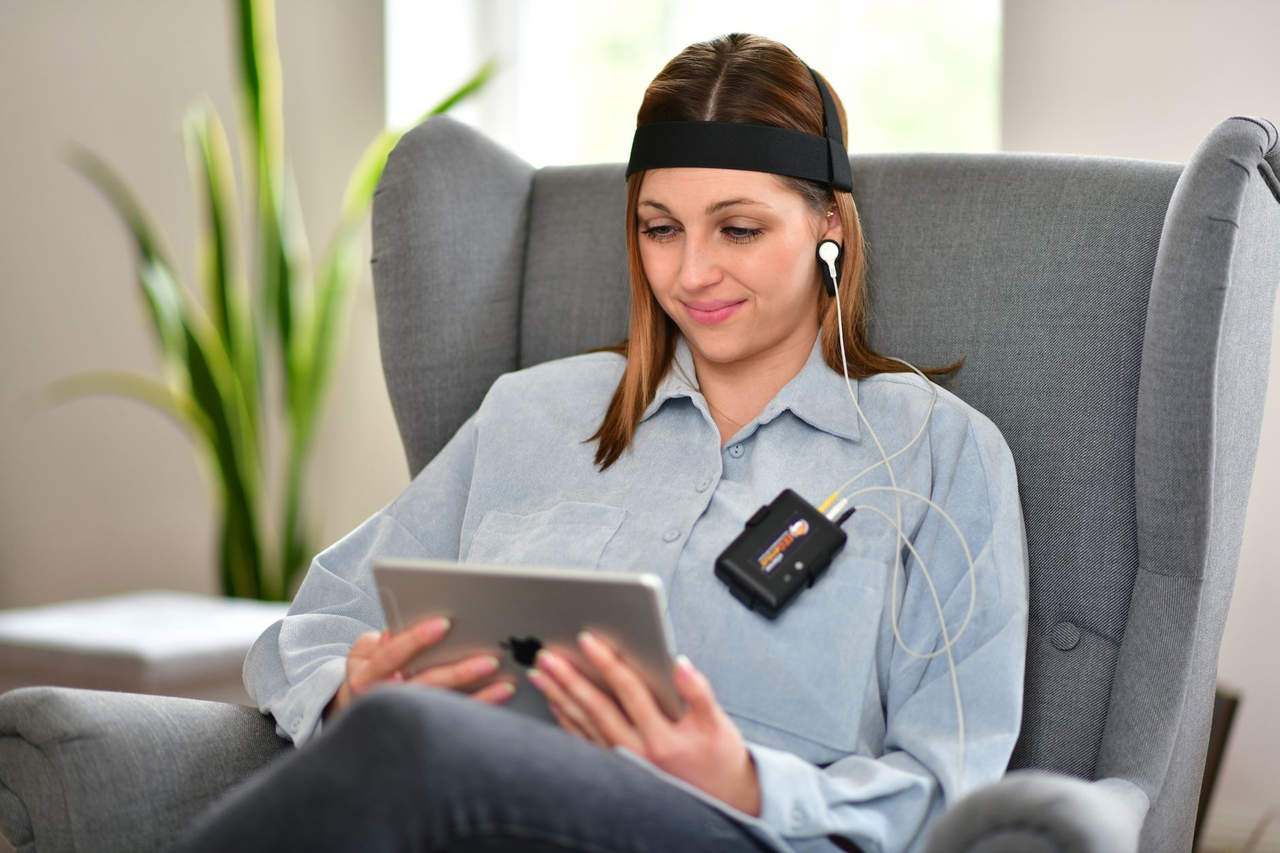
Feeling persistently drained and emotionally flat after months of overwhelming stress can leave people searching for solutions that go beyond standard rest or talk therapy. For many, the experience of burnout includes a hollow, numb sensation that does not lift, even with time off or lifestyle changes. This sense of inner void—often described as emptiness—stems from changes in how the brain functions under chronic stress. Neurofeedback, a technique that retrains brainwave activity, offers a practical path to address these underlying patterns. Through precisely tailored neurofeedback protocols, individuals can target the brain circuits most affected by burnout, restoring emotional depth and vitality.
Neurological Roots of Chronic Burnout Emptiness
Repeated stress can disrupt the brain’s normal balance, affecting regions involved in motivation and emotional connection. The prefrontal cortex, which helps regulate mood and decision-making, may become less active, while stress circuits in deeper brain regions remain overactive. This neurological shift can leave people with a persistent sense of emptiness, even after the initial stressors have faded. Understanding these changes highlights why superficial approaches rarely resolve the core problem. Instead, targeting brainwave patterns linked to emotional regulation can offer a direct path to relief.
Neurofeedback for Emptiness From Burnout works by helping individuals observe and change their own brainwave activity in real time. Sensors on the scalp measure electrical signals, and specialized software provides immediate feedback, such as visual or auditory cues, when the brain produces more balanced patterns. Over time, this process can encourage the brain to maintain healthier states even outside of training sessions.
By focusing on the neurological basis of emotional numbness, neurofeedback protocols are able to address symptoms that talk therapy alone may not fully resolve. This approach helps people reconnect with their feelings and rebuild a sense of purpose after burnout.
Quantitative Electroencephalography Brain Mapping for Burnout Recovery
Before starting neurofeedback, many practitioners use a process called quantitative electroencephalography, or qEEG brain mapping, to pinpoint areas of the brain most affected by burnout. This technique creates a detailed map of brainwave activity, highlighting regions that are underactive or overactive compared to healthy patterns. By identifying these deviations, clinicians can develop highly individualized neurofeedback plans that target the root causes of emotional emptiness.
A qEEG assessment typically involves placing noninvasive sensors on the scalp while the person sits quietly or completes simple tasks. The results are compared to a database of typical brain activity, revealing patterns linked to chronic stress and burnout. For instance, lower activity in the left frontal lobe often correlates with feelings of emptiness and low motivation, providing a clear target for intervention. According to how qEEG informs neurofeedback interventions, this mapping enhances the precision and effectiveness of the training protocol.
Using this data-driven approach, neurofeedback practitioners can select the most appropriate protocols, increasing the likelihood of meaningful improvement. This tailored method sets neurofeedback apart from more generic wellness strategies, making it a valuable resource for those seeking lasting recovery from burnout-related numbness.
Alpha Asymmetry Training Protocols for Emotional Restoration
One specific neurofeedback approach used to reverse emotional flatness from burnout is alpha asymmetry training. This protocol targets the balance of alpha brainwaves—electrical rhythms in the brain associated with relaxation and emotional processing—between the left and right frontal regions. Imbalances in alpha activity, particularly lower activity on the left side, have been linked to feelings of emptiness and reduced motivation.
During alpha asymmetry training, the neurofeedback system provides real-time feedback when the desired balance of alpha activity is achieved. This helps the brain learn to produce more optimal patterns associated with positive mood and emotional engagement. For individuals using neurofeedback for Emptiness From Burnout, this method can gradually restore a sense of emotional presence and motivation.
Addressing Emptiness From Burnout through targeted brainwave training offers hope for those who feel disconnected. This approach allows people to regain emotional depth and reconnect with meaningful experiences, making it a practical tool for recovery.
SMR Neurofeedback and Nervous System Regulation
Another neurofeedback protocol gaining attention for burnout recovery is sensorimotor rhythm (SMR) training. SMR refers to a specific brainwave frequency linked to calm focus and physical relaxation, originating in the sensory and motor regions of the brain. Chronic stress often disrupts these rhythms, leading to both emotional numbness and physical tension.
SMR neurofeedback involves rewarding the brain when it produces stable SMR activity. Over time, this helps regulate the nervous system, reducing stress and supporting emotional balance. For those struggling with burnout-related emptiness, SMR training can improve resilience to stress and restore a sense of calm engagement with the world.
By combining SMR protocols with other targeted approaches, practitioners address both the emotional and physiological aspects of burnout, supporting comprehensive recovery. This multi-faceted strategy helps individuals rebuild not just their mood, but also their overall well-being.
Conclusion
Choosing a neurofeedback provider with experience in burnout recovery ensures that protocols are tailored to your unique brain patterns. Request an initial assessment, such as qEEG brain mapping, to guide the process. For anyone feeling persistently empty after chronic stress, neurofeedback offers a direct, brain-based route to renewed emotional vitality and resilience.