
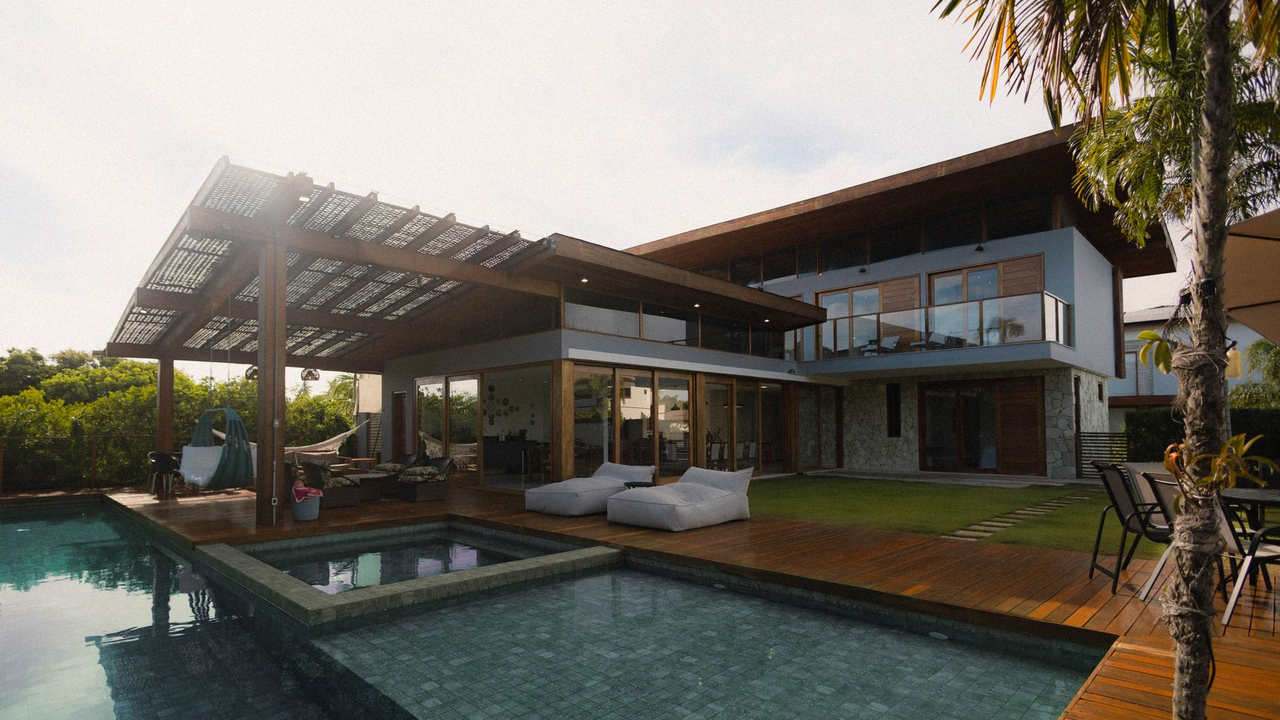
Timber can give an outdoor area a warm and natural character, but selecting it requires careful attention to the surrounding environment. Homeowners considering outdoor timber decking in Singapore should assess sunlight, rain, humidity, drainage and maintenance before choosing a material.
Outdoor decking also needs to fit the way the space will be used. These seven checks can help property owners assess whether a timber deck is suitable for their project.
1. Check the Site Exposure
Identify how much direct sunlight and rainfall reach the proposed deck. Note if nearby structures provide shade or protection.
Exposure can influence maintenance requirements and the appearance of the timber over time. A fully exposed terrace may need a different approach from a sheltered balcony.
In addition to sunlight, severe weather conditions like sudden tropical downpours can rapidly impact unsealed or under-protected timber. Knowing the exact orientation of your outdoor space, whether it faces north, south, east, or west, helps determine how many hours of intense UV radiation the boards will endure daily.
2. Assess Drainage
Water management is important for outdoor decking in Singapore. Check how rainwater currently moves across the site and where it drains.
Avoid creating areas where water can remain around the decking structure. The supporting system should be planned with suitable airflow and drainage in mind.
Standing water beneath or around timber decking can encourage unwanted moisture buildup, mould growth, and accelerated decay. Proper sub-frame slope and sufficient spacing between joists allow water to run off quickly and enable consistent airflow, keeping the deck dry and stable over time.
3. Review Timber Characteristics
Different timber products have different appearances, textures and performance characteristics. Ask about the selected species and how it is intended to perform outdoors.
Review samples before choosing a finish. Colour and grain can influence how the completed deck works with the property.
Certain hardwood options offer natural resistance to swelling and twisting, making them popular for tropical climates. Evaluating the density, natural oil content, and grain pattern of different timber varieties ensures you select an option that maintains its aesthetic appeal and structural integrity over years of use.
4. Consider Maintenance
Ask what routine care the timber requires. Maintenance can include cleaning, inspection and refinishing depending on the product and exposure.
Understand the recommended maintenance schedule before installation. This allows you to decide if the material fits the time and resources available for upkeep.
Applying suitable outdoor oils or protective sealers periodically helps retain the original color of the timber and prevents surface checking or splintering. Establishing a simple maintenance routine early on will protect your investment and extend the overall life of the installation.
5. Plan the Deck Structure
Review the supporting framework, board spacing and installation method. The structure should suit the site and selected decking product.
Discuss the condition of the existing surface and any preparation required. A good finish depends on more than the visible decking boards.
Choosing durable substructure materials, such as treated timber or aluminum joists, provides a solid foundation that resists rotting and insect damage. Using hidden fasteners or high-grade stainless steel screws further enhances structural stability and ensures a seamless surface visual.
6. Match the Deck to Its Use
Consider how people will use the area. Dining furniture, outdoor seating, children, pets and frequent foot traffic can influence the design.
Plan enough space for furniture and movement. Think about access to doors, drainage points and surrounding landscaping.
7. Review the Complete Project Cost
Include materials, preparation, supporting structure, installation and finishing requirements in the budget.
Ask for a detailed project quotation. This helps you understand the total scope instead of focusing solely on the price per board.
Before You Decide
Before selecting outdoor timber decking in Singapore, check:
- Sun and rain exposure
- Site drainage
- Timber characteristics
- Cleaning and maintenance needs
- Supporting structure
- Intended use
- Complete project costs
A timber deck can suit many outdoor settings, but the material needs to work with the site's conditions and the household's expectations. Careful planning can help you avoid selecting a product without considering its long-term requirements.
Contact Hardscapes to discuss outdoor decking in Singapore and assess timber options for your property's outdoor space.